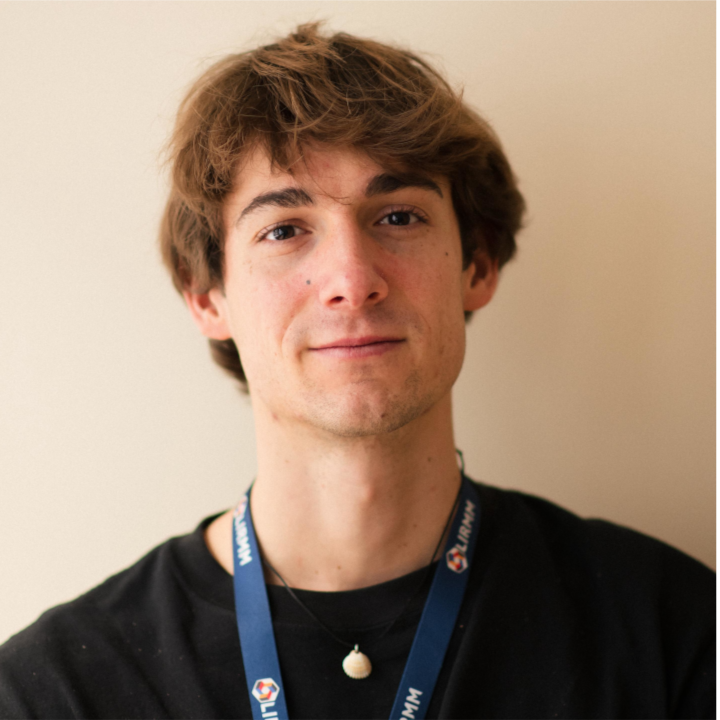
About Me: Let’s protect the ocean with robots !
Marine Robotics Perception, (Opti-Acosutic) SLAM, 3D Reconstruction,
Enhanced Scene Awareness, Autonomous Ecosystem Monitoring, Ocean Science
I’m a PhD Student of the Marine Robotics Team (RSM), at the Laboratory of Informatics, Robotics and Microelectronics of Montpellier (LIRMM), advised by Vincent Creuze, Juliette Drupt and Frédéric Comby. My PhD thesis is entitled “Mapping and monitoring of the surface condition and biological colonization of submerged parts of offshore wind turbines using acoustic imaging”.
My current research project focuses on (opti-)acoustic localization and mapping of underwater robots near floating wind turbines, integrating semantic information.
Expand to know more about why my PhD research is relevant...
With the widespread development of floating offshore renewable structures, the high cost and risk of human-based inspection and maintenance must be addressed. Moreover, these structures become artificial reefs due to the colonization of many sessile animals (biofouling). Monitoring biodiversity and the effects of these "artificial" ecosystems on the whole marine environment is crucial. To address these problems efficiently, autonomous (AUV) and teleoperated (ROV) underwater vehicles are the best choice. Nevertheless, before deploying these systems, it is fundamental to guarantee their robustness in localizing themselves, mapping the environment, and understanding it. Acoustic imaging sensors provide additional eyes on the marine world, where optical sensors (cameras) often have degraded performance. However, the resolution and interpretability of acoustic images are challenging factors that I will address during my research. Finally, finding optimal ways to fuse optical images with acoustic ones allows us to achieve an enhanced understanding of the scene, with additional robustness and information.
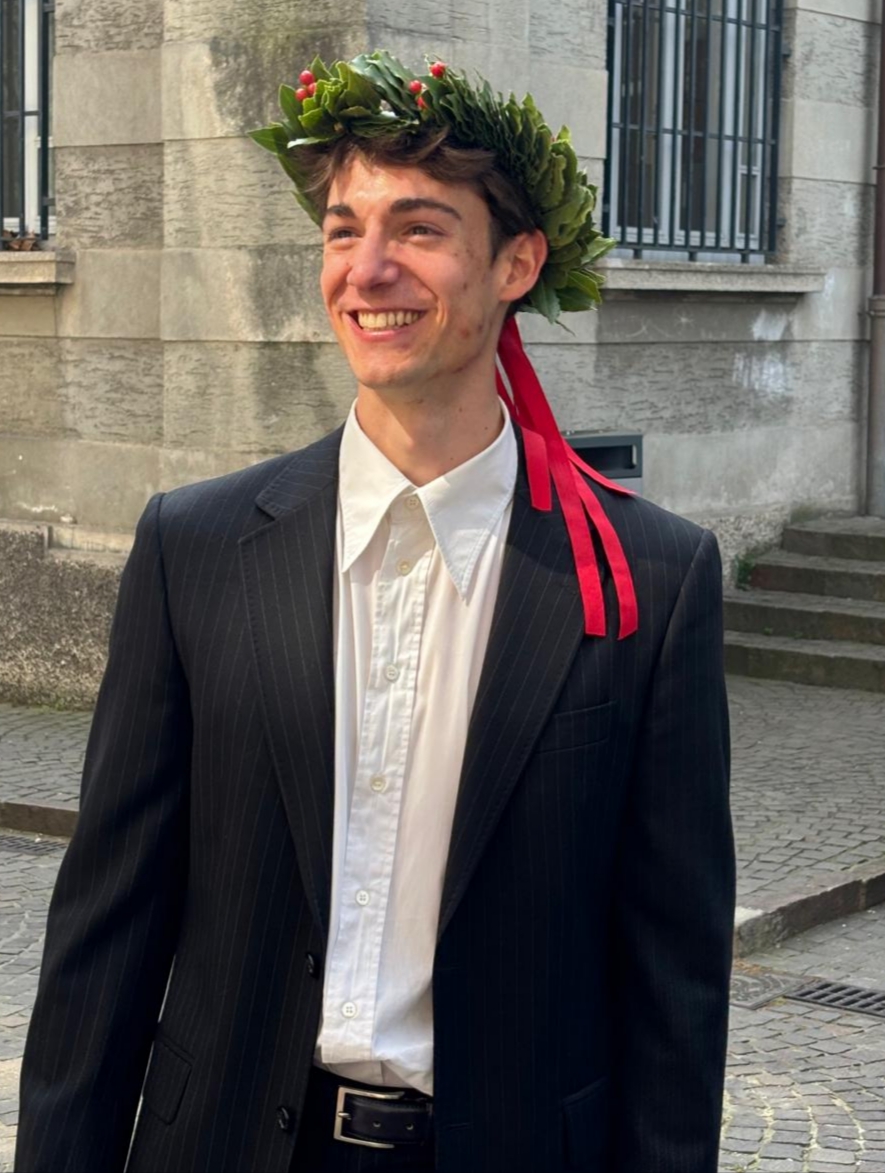
I received my Bachelor (2019-22) and Master (2022-25) degrees in Automation and Control Engineering at Politecnico di Milano.
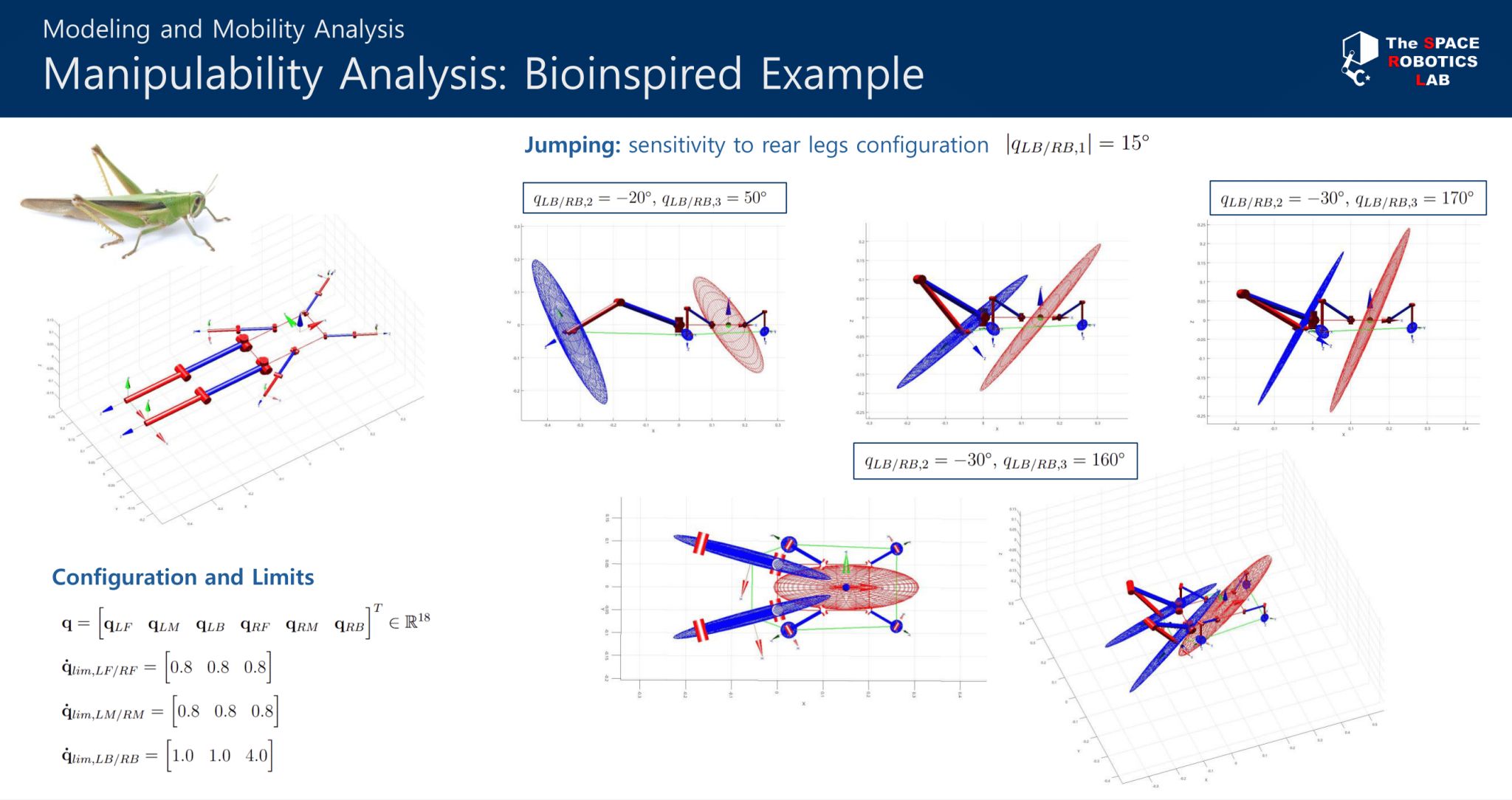
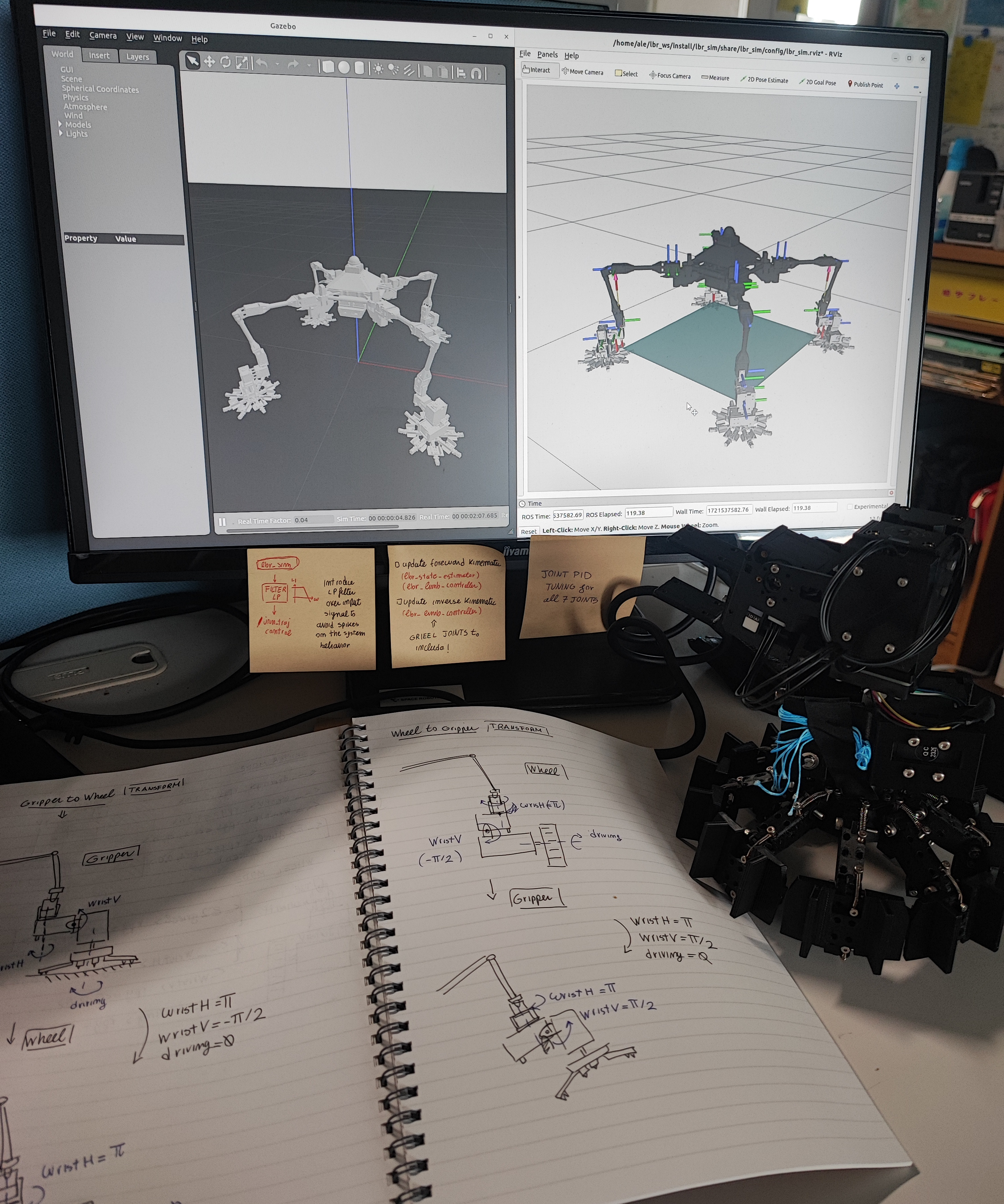
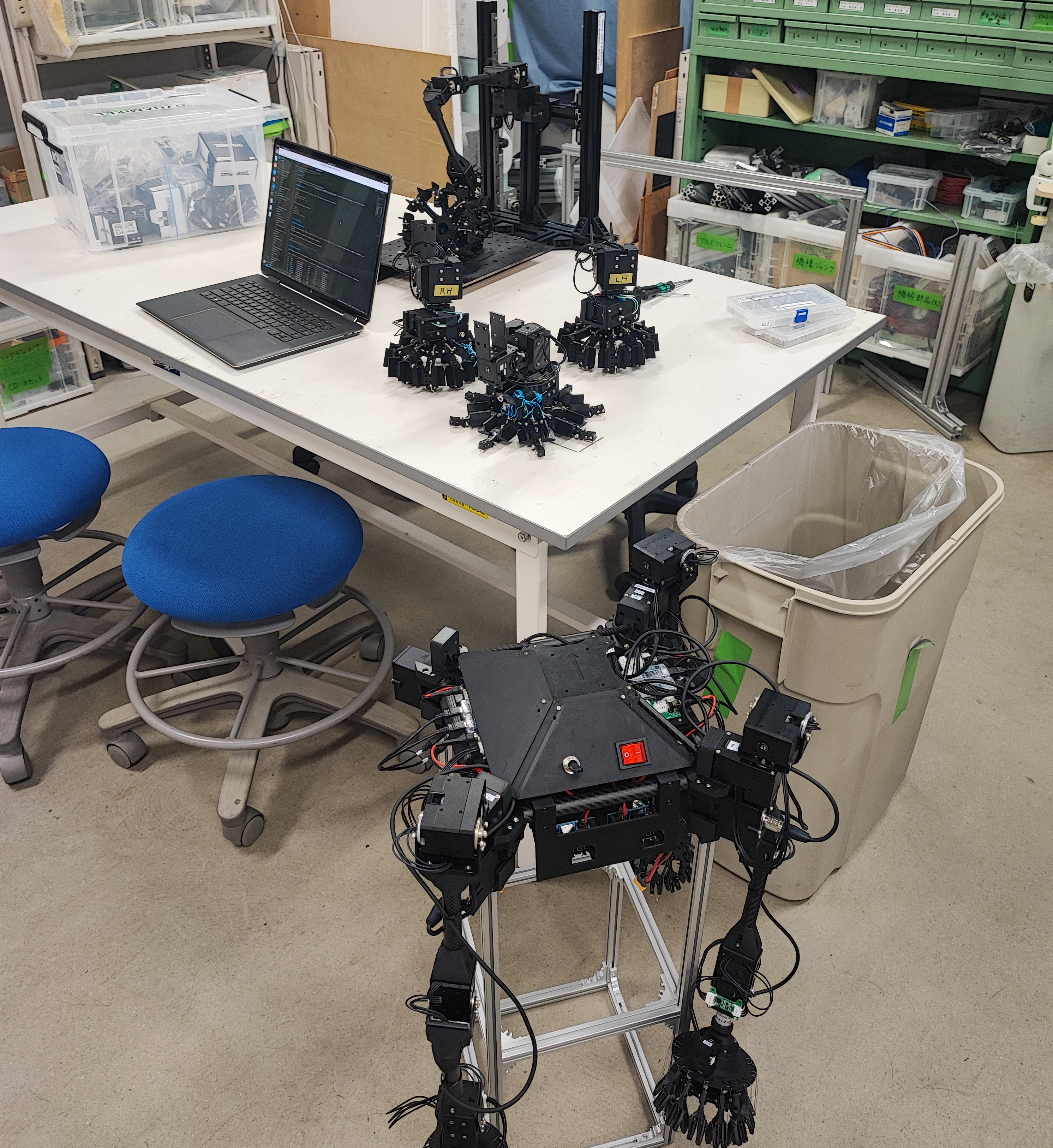
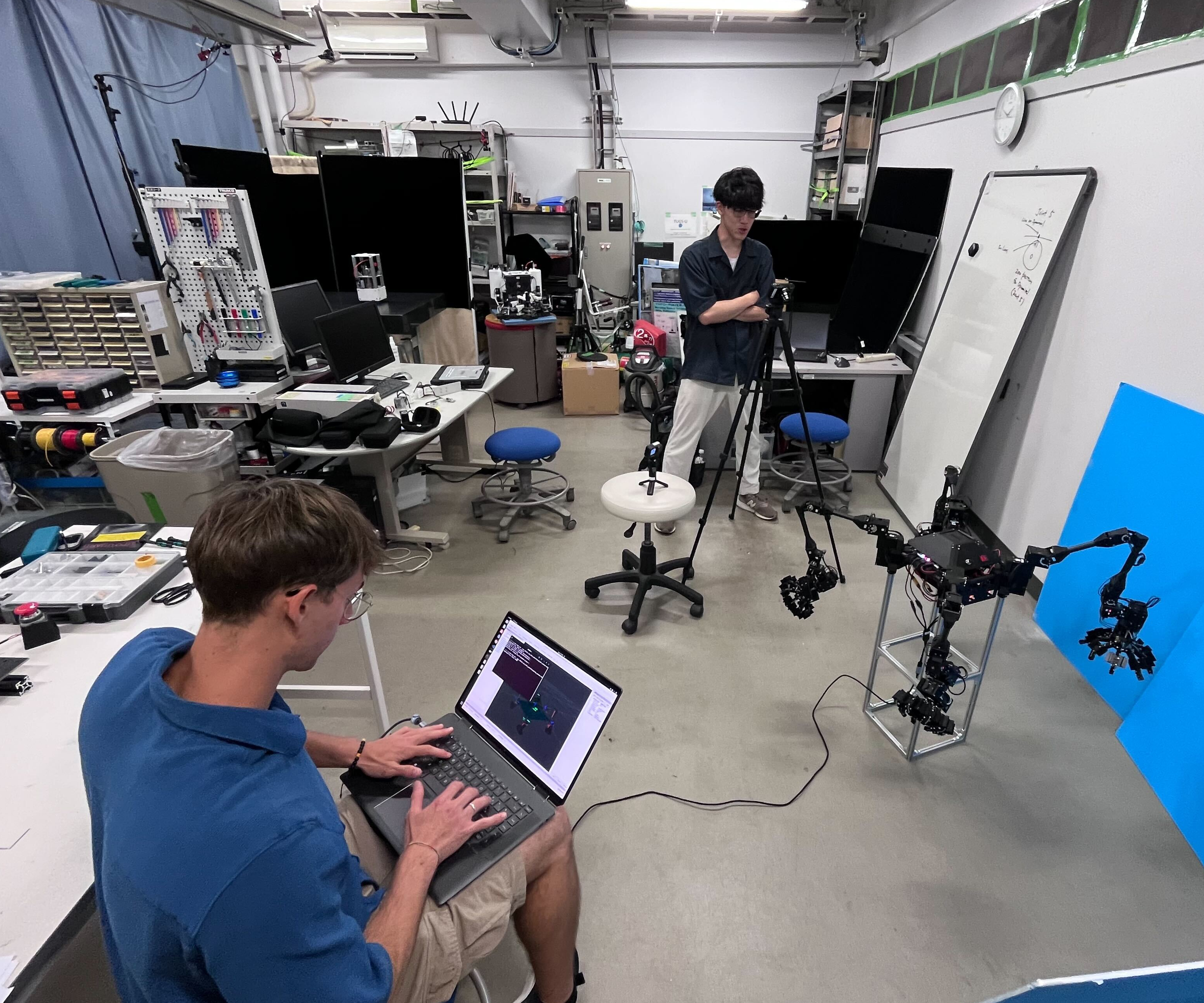
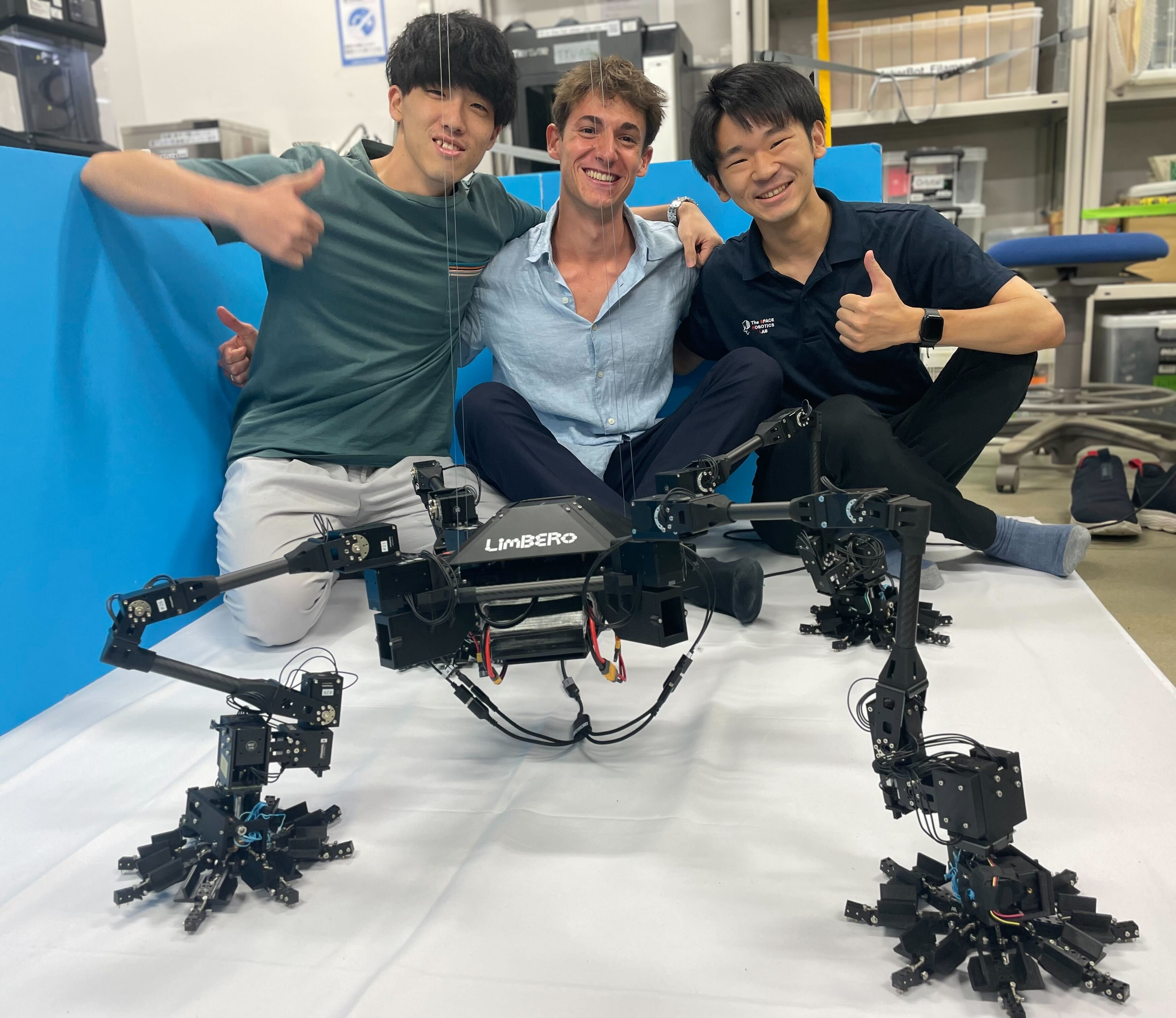
During my Master’s studies, I spent 5 months in Japan at Tohoku University (read my feedback), as an extra-EU exchange student and a research member of the Space Robotics Lab (SRL). I was a member of the Rover Team, working on a joint project with the Limbed Team. My research project involved a Prototype Multi-Modal Multi-Limbed Space Robot (report videos), and became my Master’s Thesis.
Contact Me to Exchange Ideas or Collaborate
Don’t hesitate to reach out to me if you have similar interests or see the possibility of collaborating, I love sharing ideas and working in a team!
My research focuses on robotics, but I’m passionate and curious about many disciplines. If you work in marine science and would like to discuss something related to my research topics, feel free to contact me via email or through my listed accounts.
A Deeper Look Into My Journey 

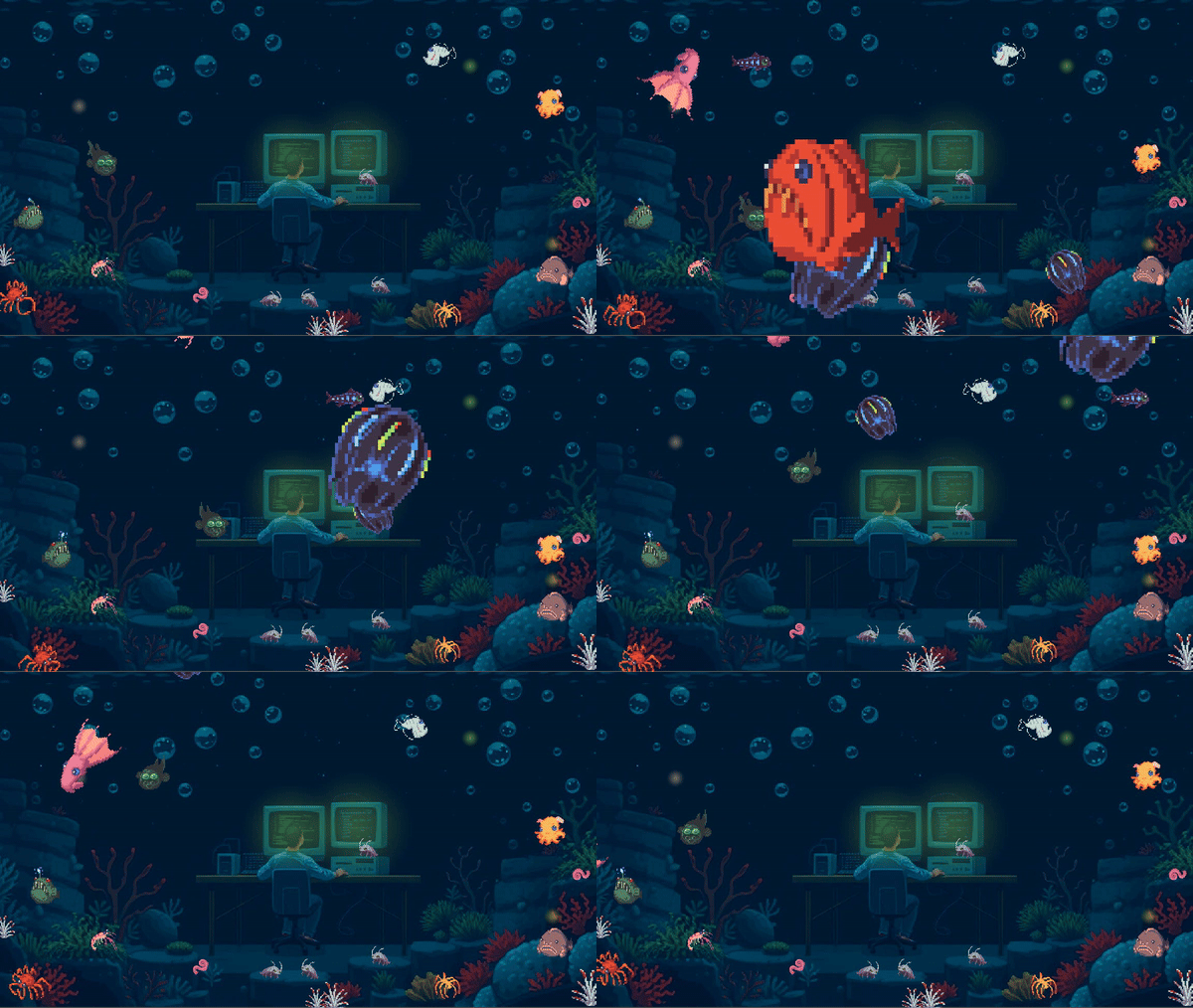
My Childhood Dream
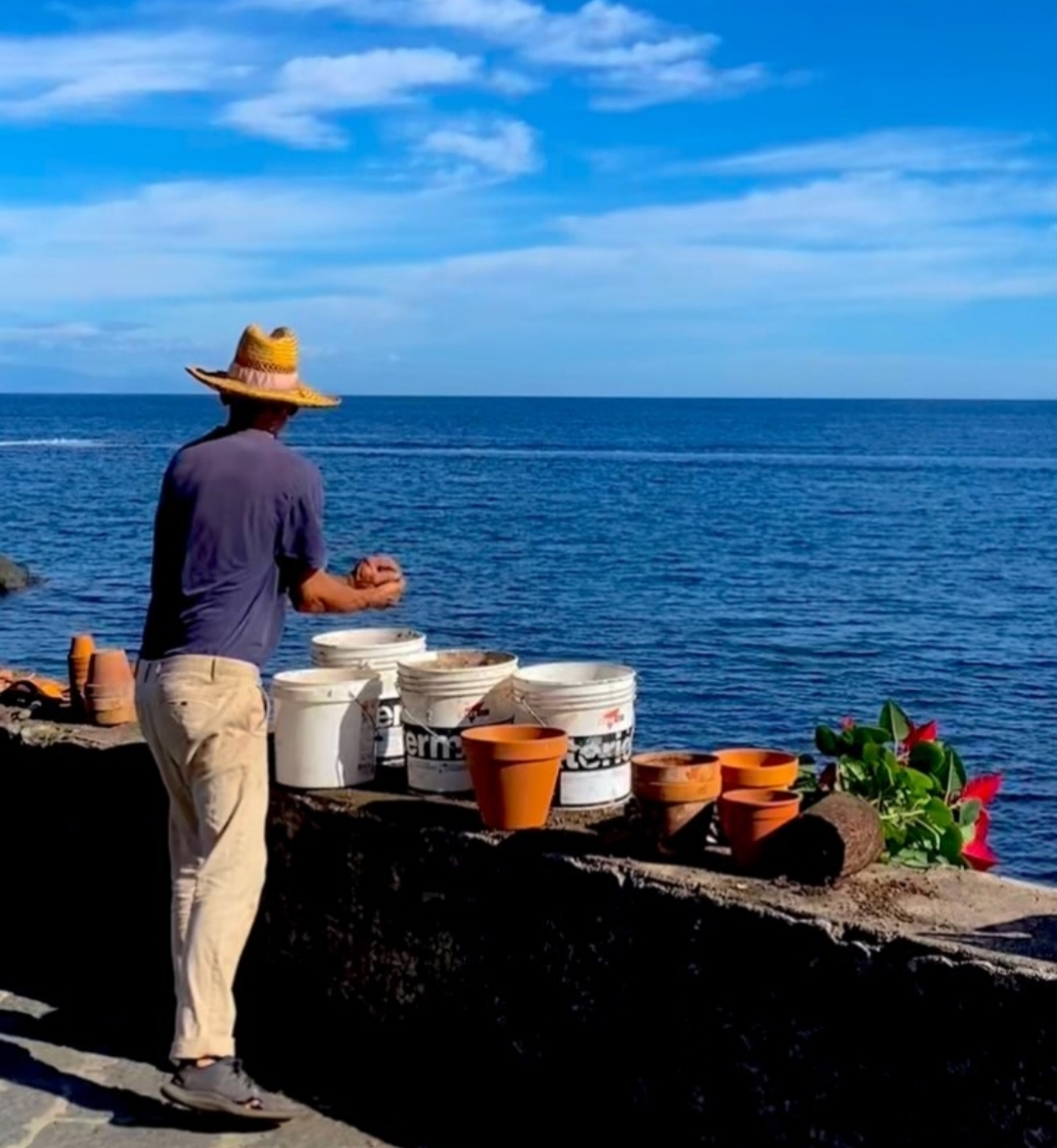
I grew up in Sicily, where my parents taught me to respect every living being and to stay curious.
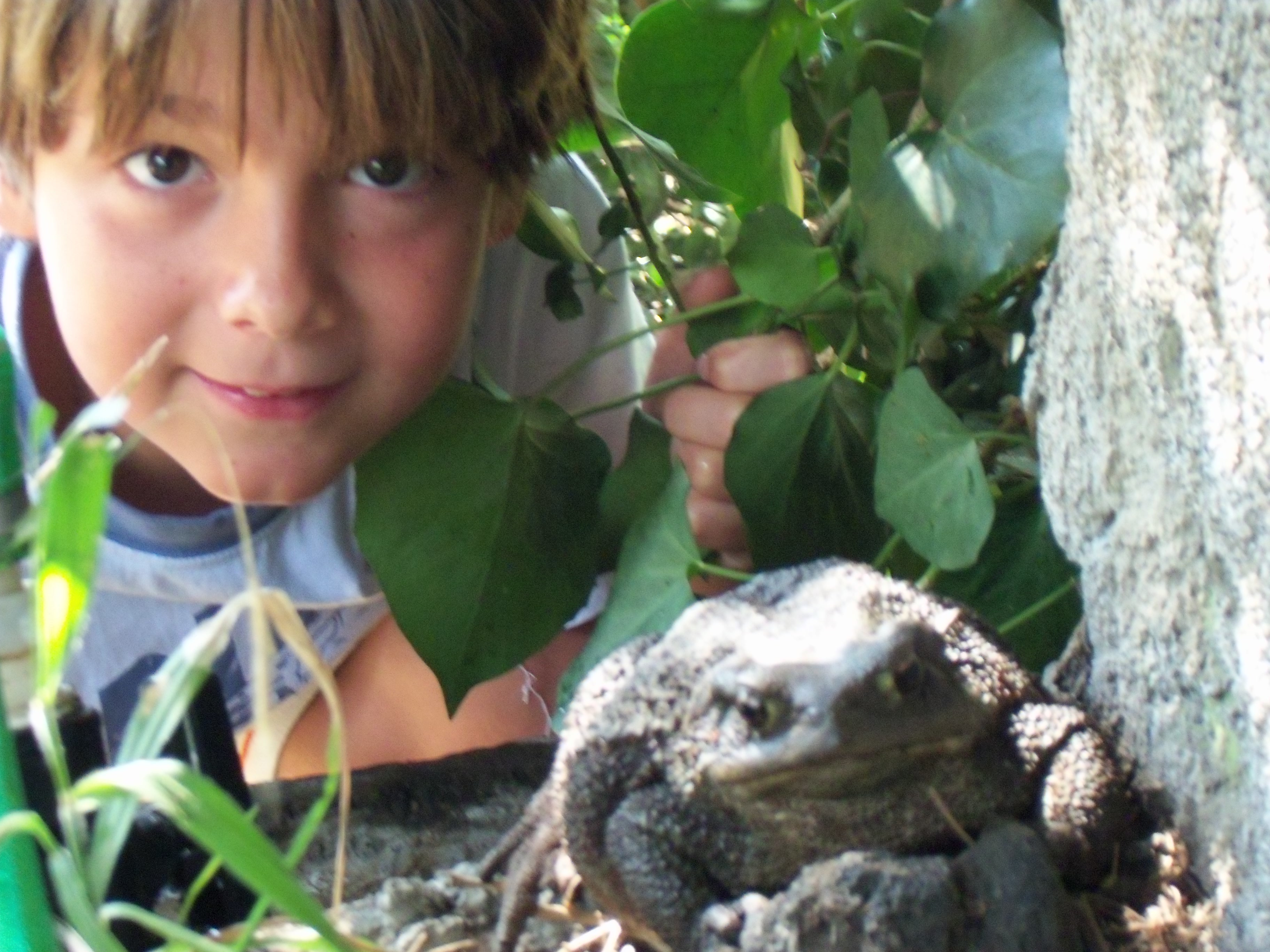
My favorite books were illustrated encyclopedias, and my favorite TV programs were documentaries about the ocean and the rainforest. I have always been fascinated by marine life, especially the bioluminescent creatures of the deep sea, as well as reptiles and insects.
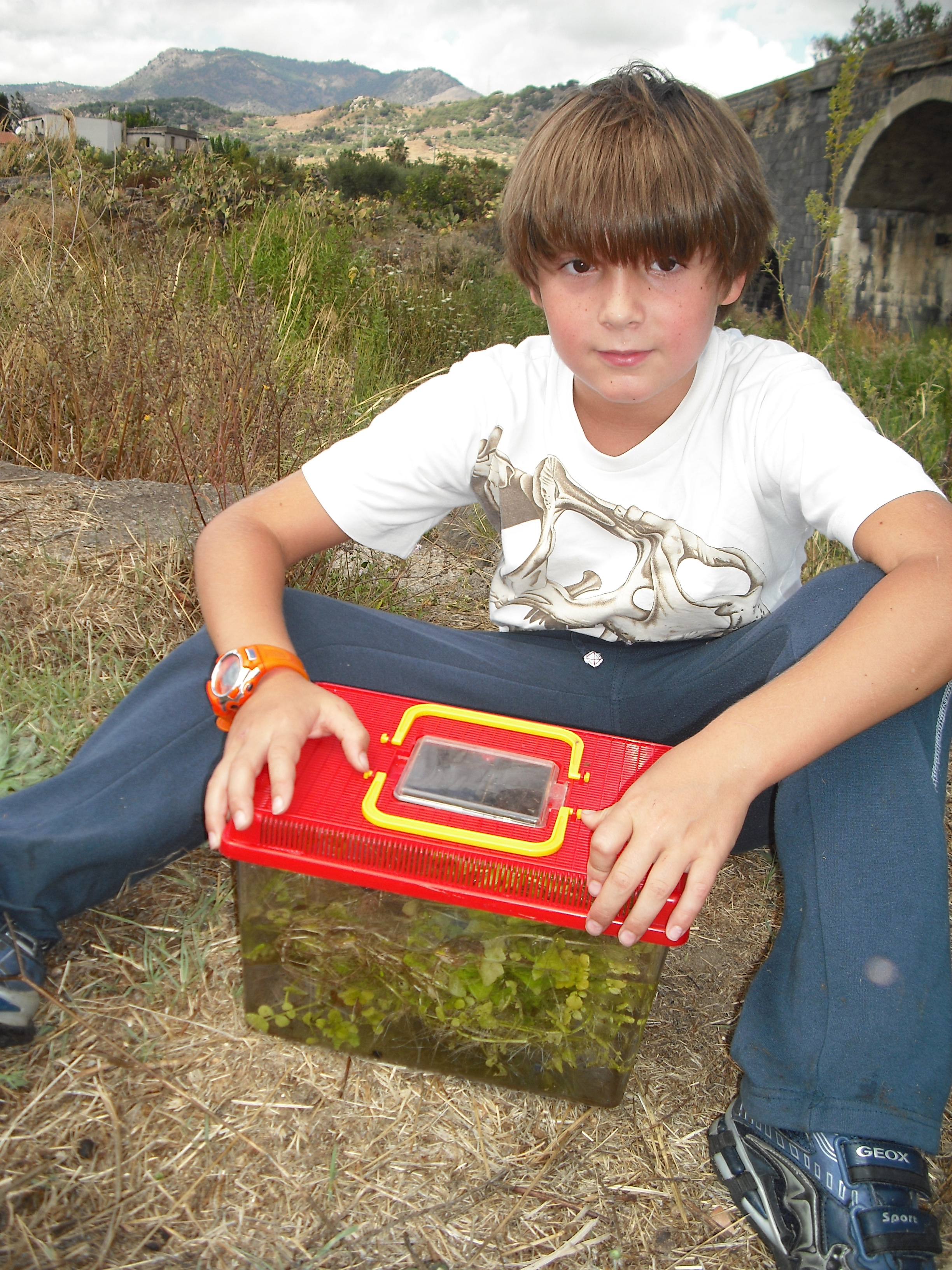
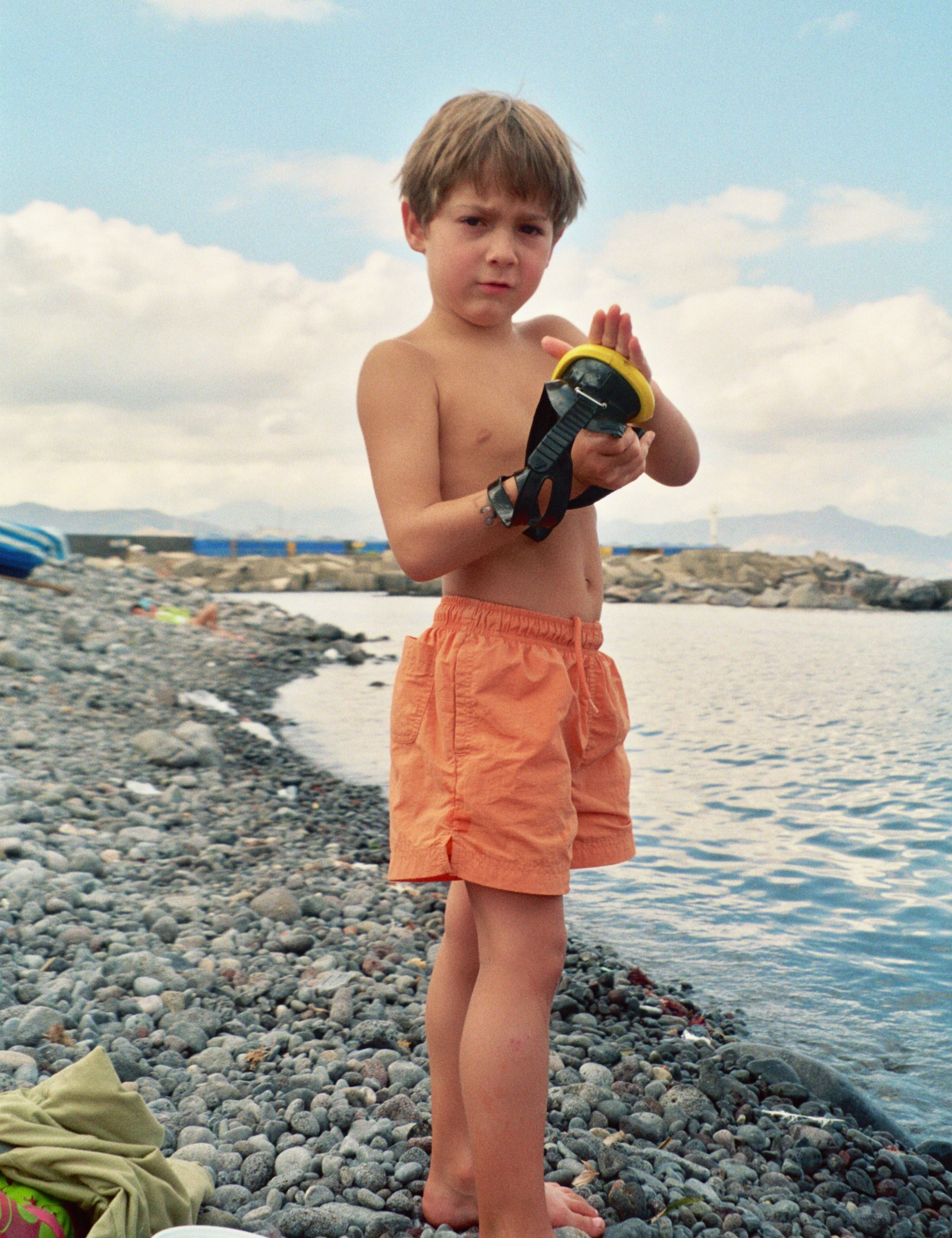
During the summer, I spent hours freediving in search of colorful sea urchin shells and iridescent ear shells. Whenever I was not in the sea, I was in the countryside looking for new insect species to observe and study. My childhood dream was to become a National Geographic explorer, shooting documentaries about incredible unknown species and extreme environments.
A New Career Path?
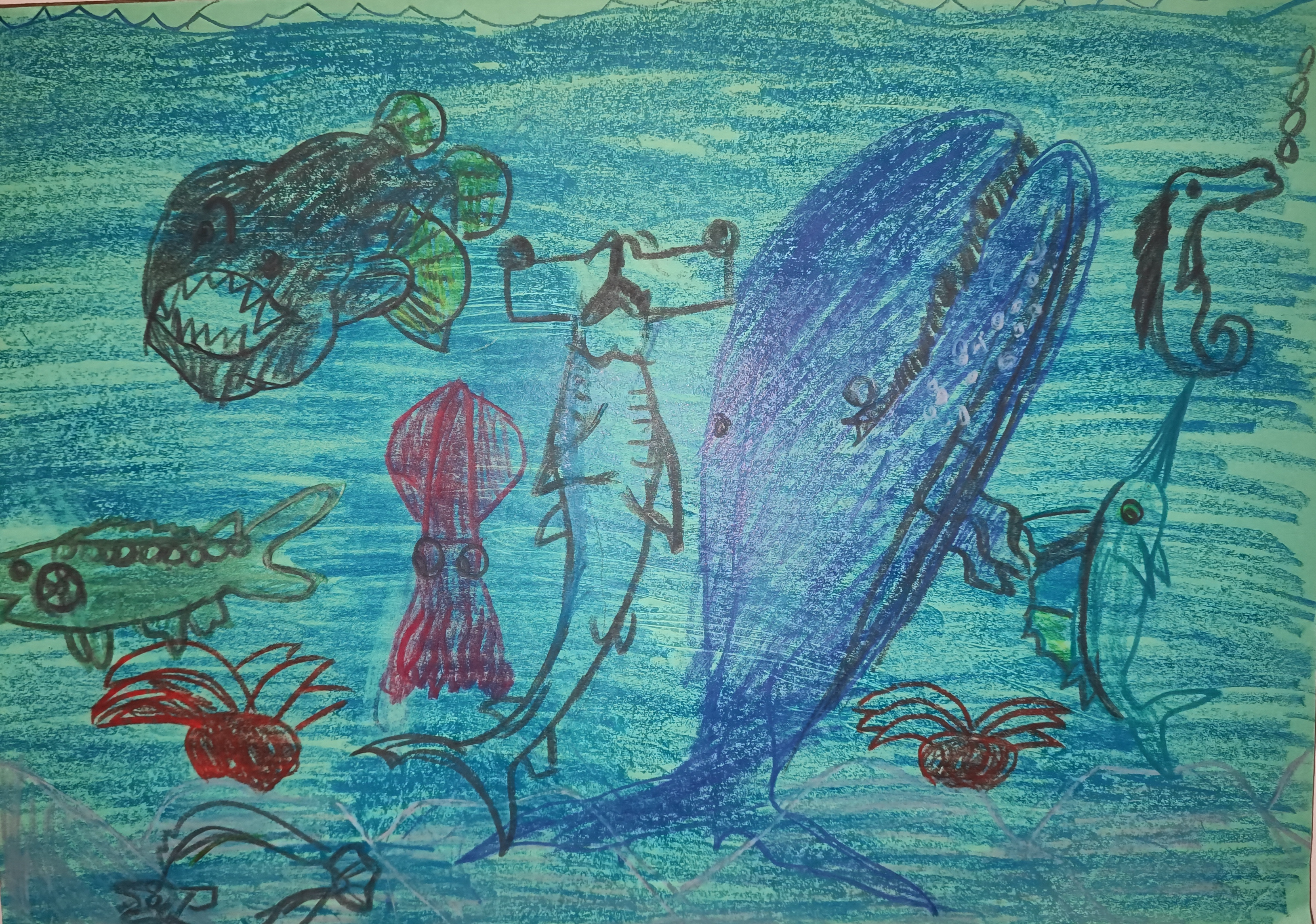
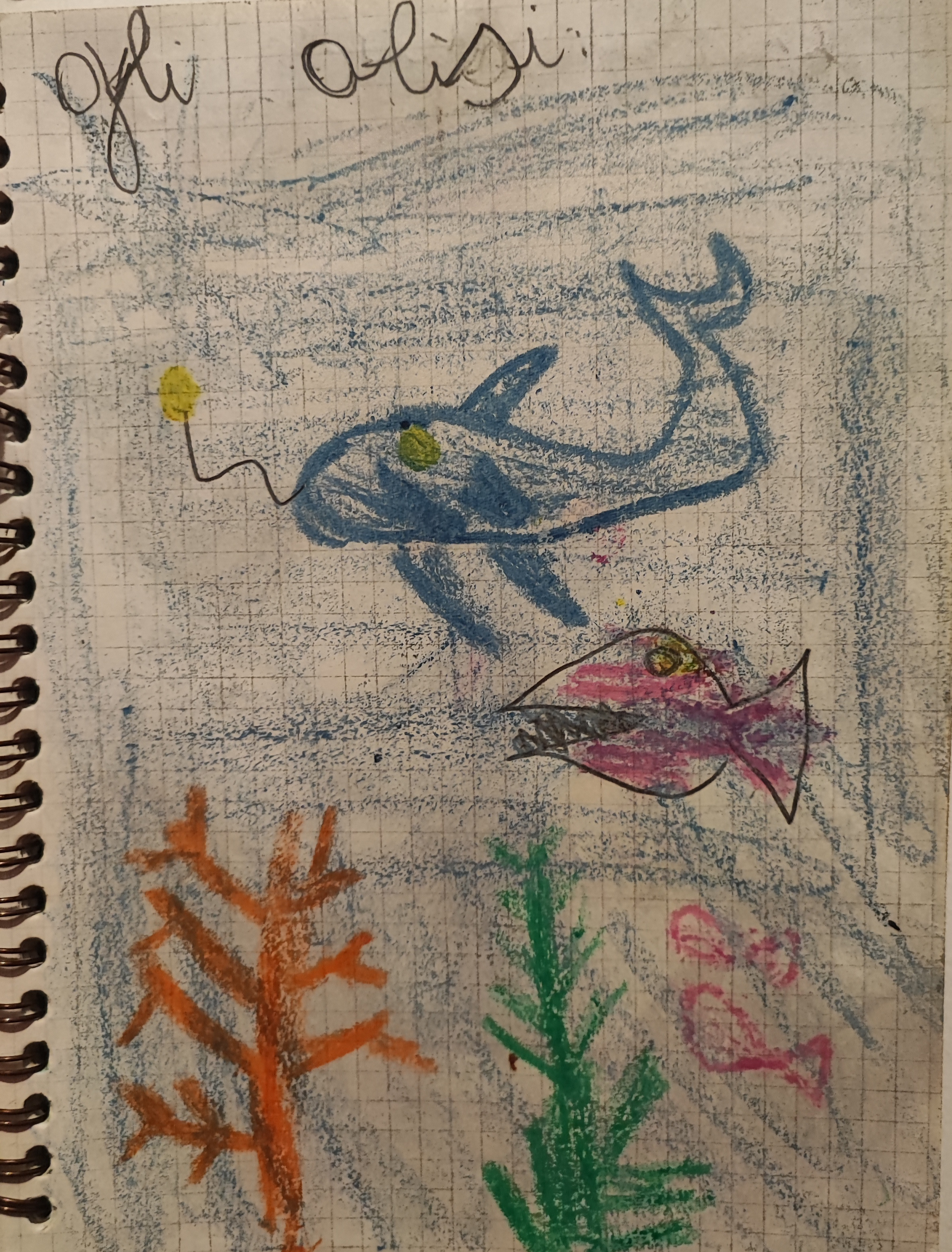
Beyond exploring the natural world around me, my other hobbies were drawing and dismantling objects to understand how they worked. I would have loved to disassemble a robot, autonomous and teleoperated systems were another great source of fascination for me. Nevertheless, robotics was not yet in my future plans…
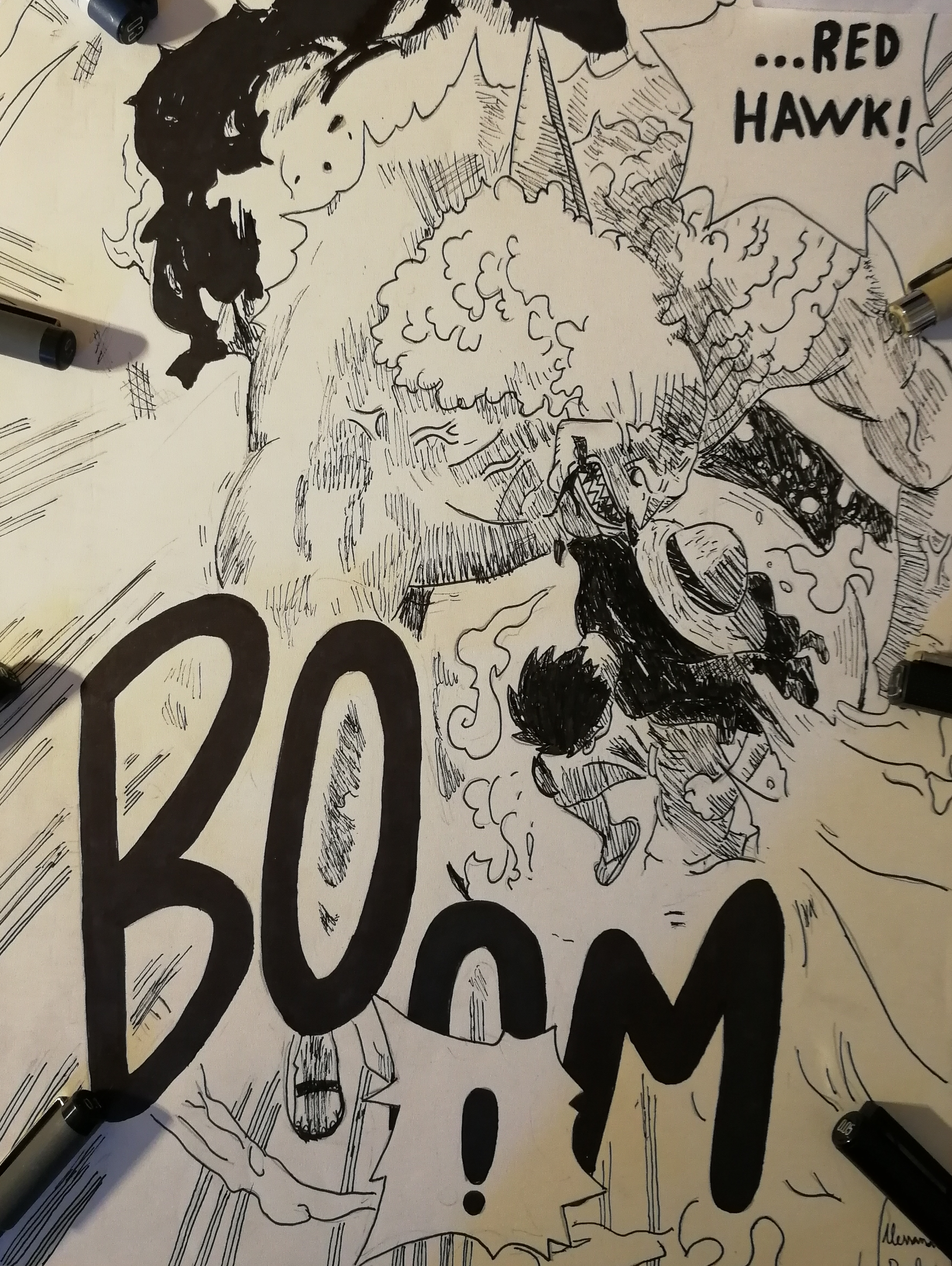
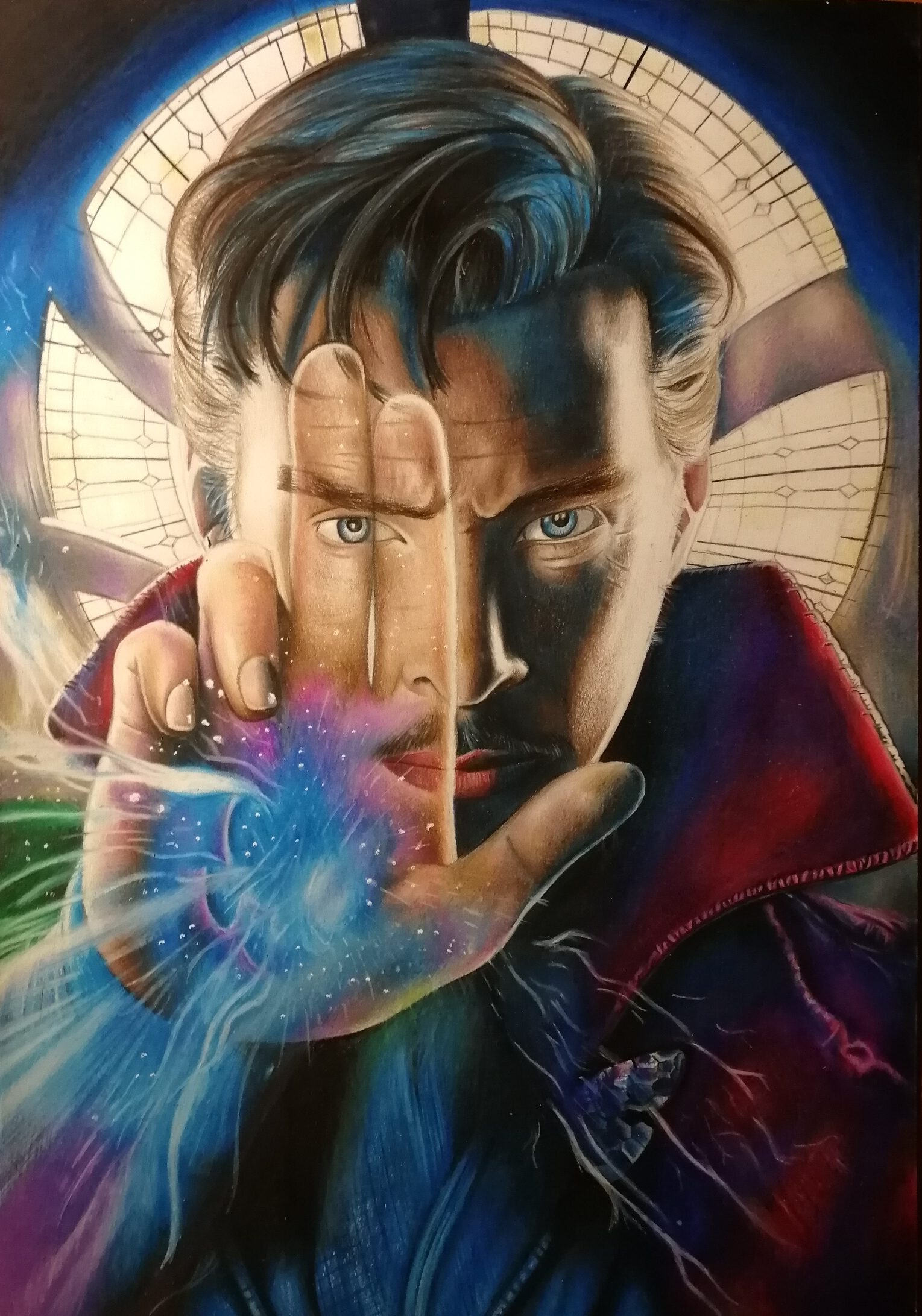
As time passed, my love for the natural world never changed, but my dream job evolved. I imagined myself either as a concept artist for sci-fi and fantasy movies, or as a comic book or manga artist. If you are a curious person, you can find some of my drawings in my blog post.
Embarking in Robotics Engineering
In my last year of high school, I had to choose whether to embark on an engineering career, to finally study and develop my own robotic systems, or to attend art school. I chose a technological path in Automation and Control Engineering at Politecnico di Milano.
When making this decision, I promised myself that I would not abandon my creativity, and that I would not turn my back on my younger self, the one who wanted to explore and protect our planet and its creatures.
My Japanese Experience and Robotics Dream
During the last year of my Master’s, I spent five months in Japan as an Extra-EU exchange student at Tohoku University. My exchange program was special because I had to join a research laboratory. I was accepted as a member of the Space Robotics Lab.
As an SRL researcher, I implemented new features on a prototype multi-locomotion walking-driving-climbing robot designed for space and extreme environment exploration. This incredible experience strengthened my motivation to pursue a career in robotics research, especially in autonomous mobile systems for challenging environments.
The space domain is fascinating and full of mysteries. But my original promise was drawing me toward the unexplored places and species of our own planet.
Oceanographic Centers use Robots!
In August 2024, a video from MBARI brought me back to my original passion for the ocean, this time with new expertise. The video showed the ROV Ventana and its ability to capture stunning deep-sea footage and conduct in situ experiments. The Monterey Bay Aquarium Research Institute has been developing cutting-edge technology for ocean exploration since 1988: underwater vehicles, novel instrumentation, large-scale annotated marine datasets, and machine learning algorithms to study the ocean and its inhabitants. A kind of “sci-fi ocean science” institute, where engineers, scientists, and operators collaborate every day to explore the sea. I had found my current. After that moment, I discovered other oceanographic institutions and organizations that merge robotics and ocean science: Schmidt Ocean Institute, Woods Hole Oceanographic Institution, OceanX, Nautilus Live, and Ifremer. Watching their videos and reading about their latest missions and technologies is a continuous source of inspiration for me.
Exploration, however, is not enough. Protection and conservation are crucial missions for our threatened planet, and scalable solutions must be developed. In spatially aware marine robotic systems, I see the future of large-scale biodiversity monitoring, data collection, and exploration, helping define new marine protected areas and regulations against ocean exploitation.
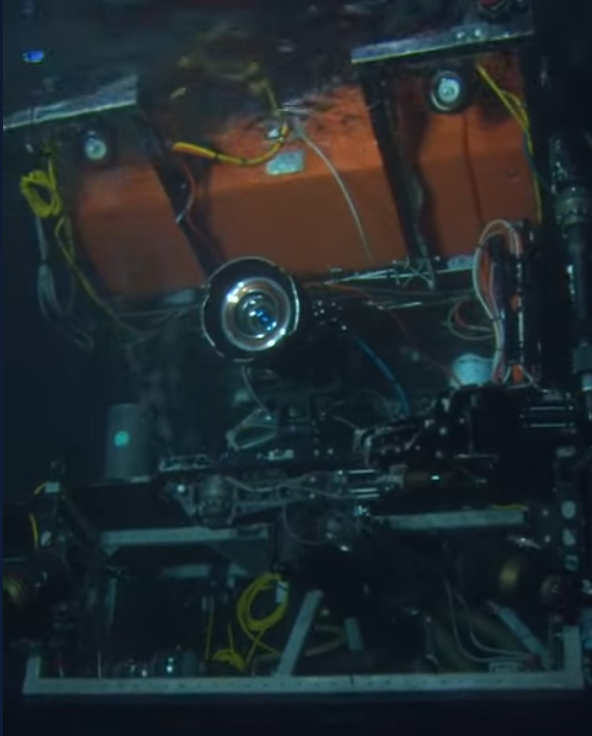
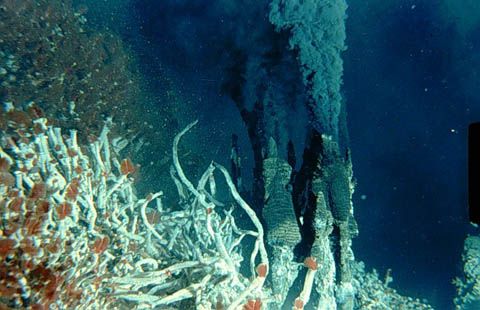
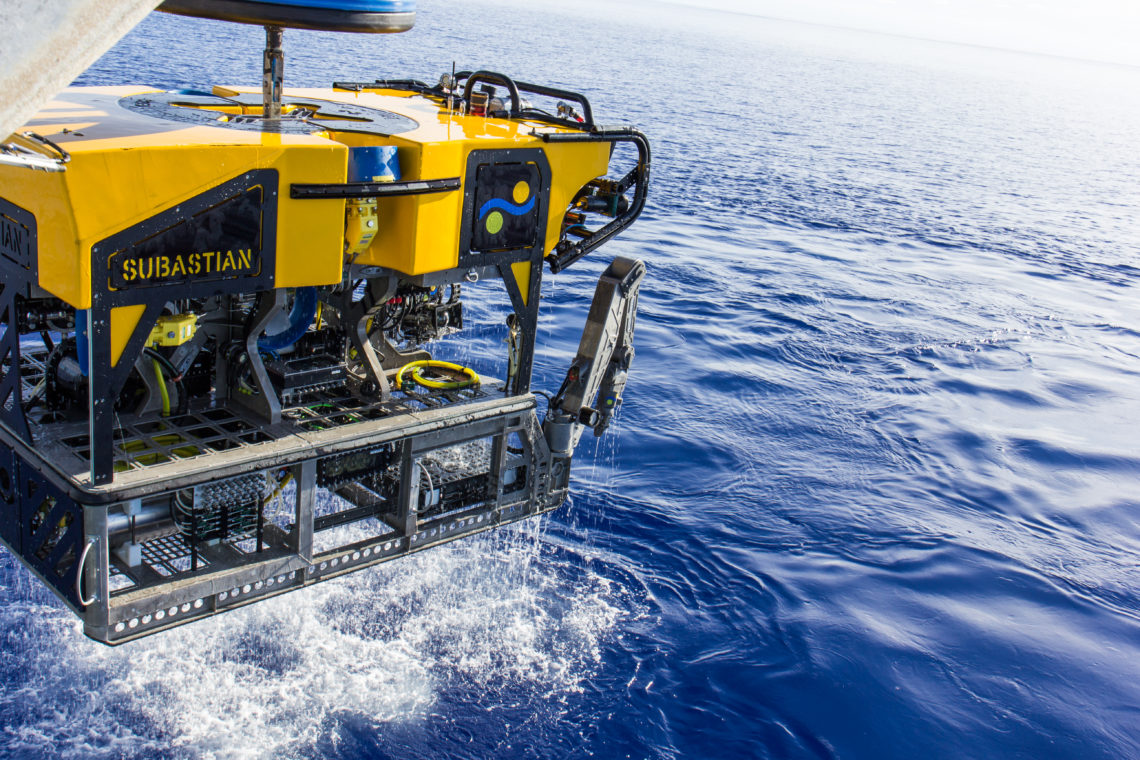
(from left to right: MBARI’s ROV Ventana, hydrothermal vent on the Juan de Fuca Ridge in the North Pacific Ocean off Vancouver Island, Schmidt Ocean Institute’s ROV Subastian)
Applying for a PhD in Marine Robotics
But before embarking on this mission, I needed a stronger background in this robotics domain. I wanted to understand the state of the art, the main challenges, and how I could contribute. Coming from a control engineering background, I felt the need to move toward perception, working on methods to localize these systems, map the environments, and associate semantic information with the world they observe.
Reflecting on this, I realized that a PhD in marine robotics could help me gain both practical and theoretical expertise in these topics. But I needed to find the right position and laboratory aligned with my goals.
It is April 2025. I am about to graduate, and I have finally found where to apply and for which project: “Mapping and monitoring of the surface condition and biological colonization of submerged parts of offshore wind turbines using acoustic imaging” at the University of Montpellier.
Going Deep
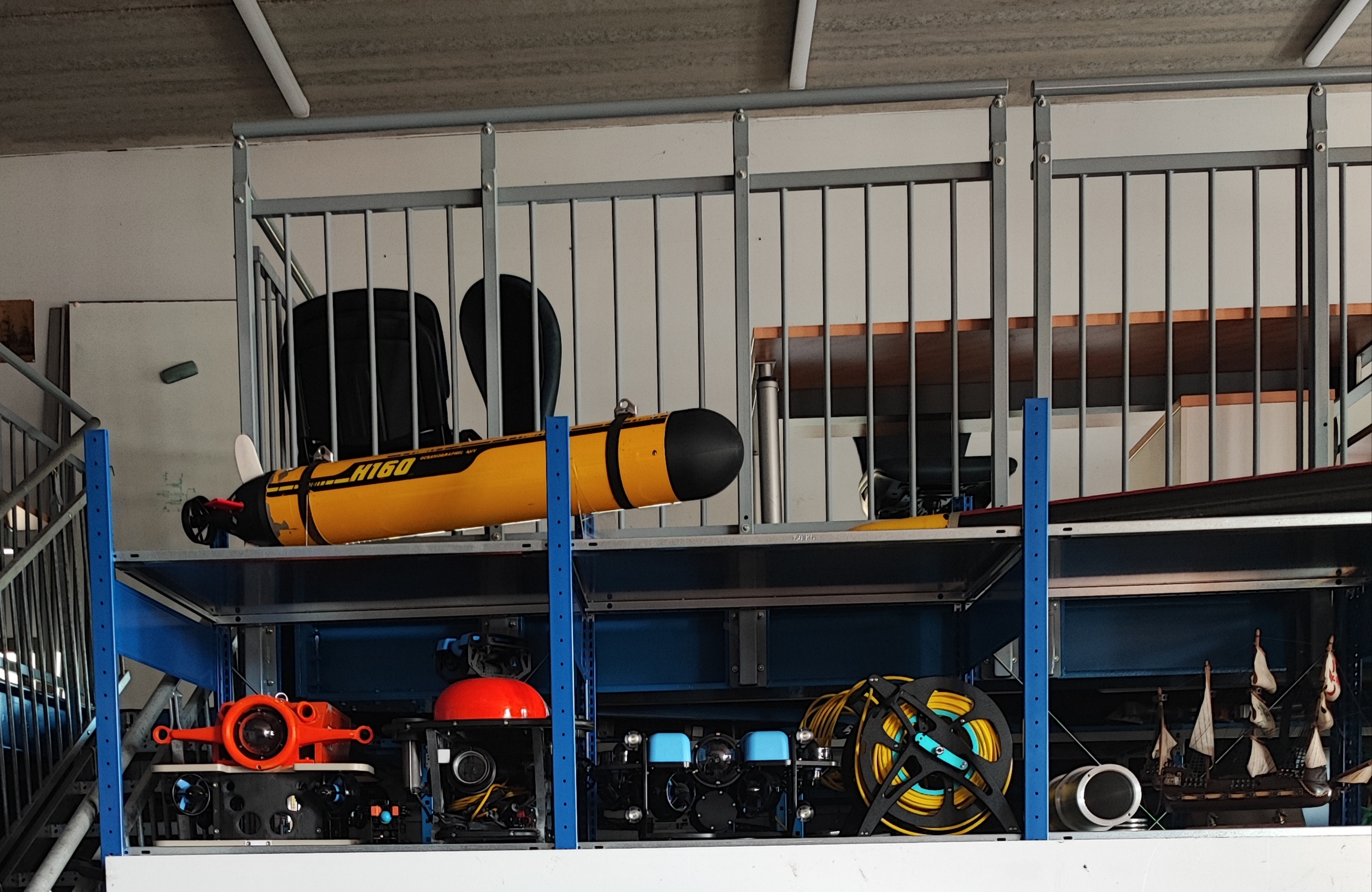
Missions such as coral gardening and ghost net removal still require human divers. Remotely operated and autonomous underwater vehicles can assist in these tasks, but robust autonomy on scalable, low-cost systems remains a major challenge. I want to help make this possible, contributing not only with artificial arms and remote sensing, but with a deep understanding and a first person action on the underwater world itself.
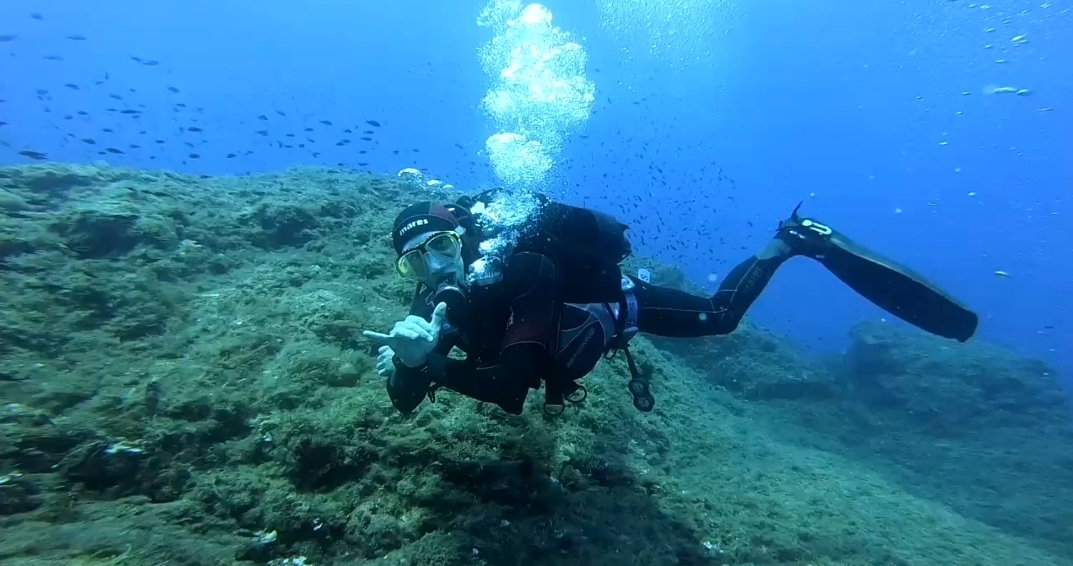
I love to swim and observe the underwater environment with my own eyes. In 2025, after many years of freediving, I decided to become scuba certified: first SSI Open Water, then SSI Advanced Adventurer, and recently FFESSM Niveau 2. I look forward to take additional certification, partecipate in volunteering activities, and gain more experience.
The possibility of breathing underwater is extraordinary, flying in a silent space surrounded by the richest biodiversity on Earth, where colors and physics follow their own rules.
Diving also helps me better understand the challenges of this domain and the constraints my robotic systems must face. In my future as a marine robotics researcher, I want my diving skills to be an integral part of my work.
What’s Next
My objective is to work on R&D in Underwater Robots perception. I want to enhance scene understanding and system autonomy, for biodiversity, environmental, and renewable infrastructure monitoring, conservation and restoration. I believe that there are unsolved problems in different fields of science and engineering, with many similarities we don’t think about. That’s why joining forces is the only way to solve some of those. I want to work closely with experts in biology, environmental studies, data science, electronics, and mechanics, to find the solution to those problems.
Good bubbles !
Thank you so much for reading my story.
Alessandro